
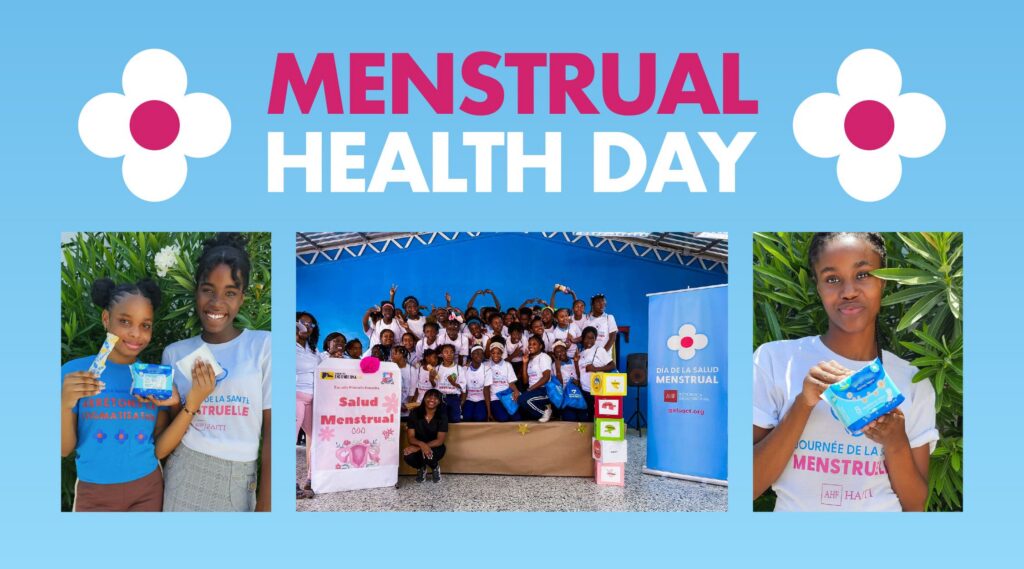
Menstruation Should Not Be a Luxury: Why Eliminating Taxes on Menstrual Products Matters in Latin America and the Caribbean
Millions of people across Latin America and the Caribbean still face period poverty. Learn why removing taxes on menstruation products is a key toward equity.
News
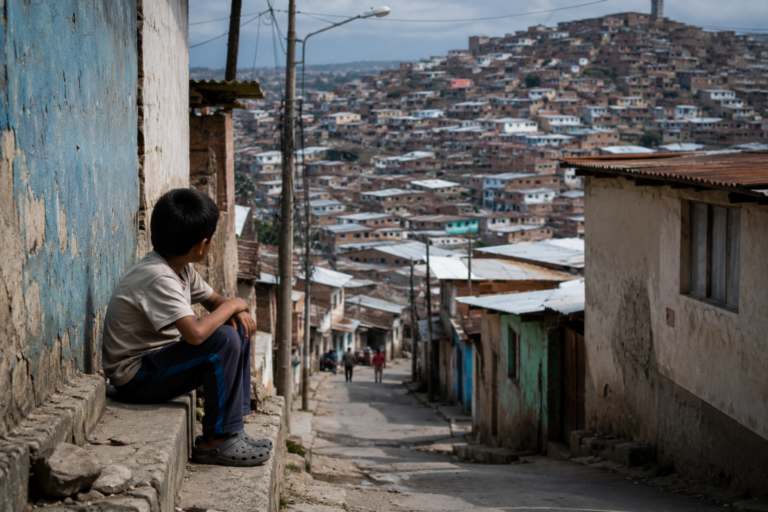
Sovereign Debt: A Tool of Oppression for the Developing World
Sovereign debt limits health, education, and development in the Global South, perpetuating inequality and financial dependence.
News
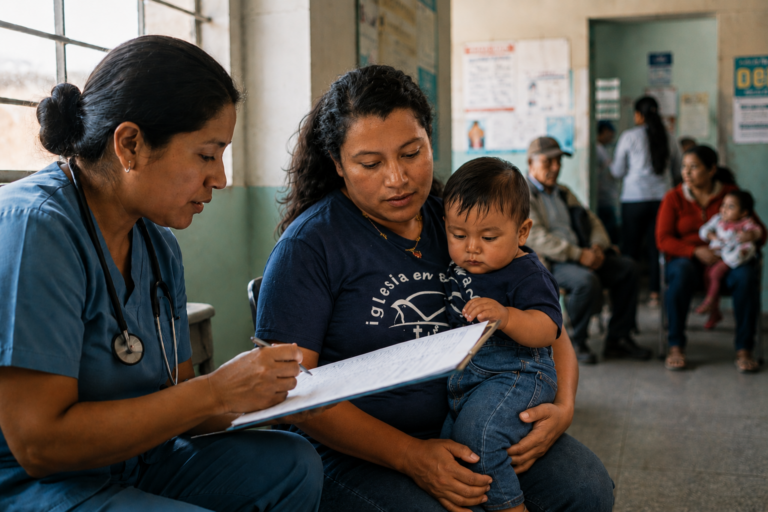
When Debt Costs Lives: The Impact on Global Health
Unjust debt forces countries in the Global South to cut health, education, and basic services, affecting the lives of millions.
News
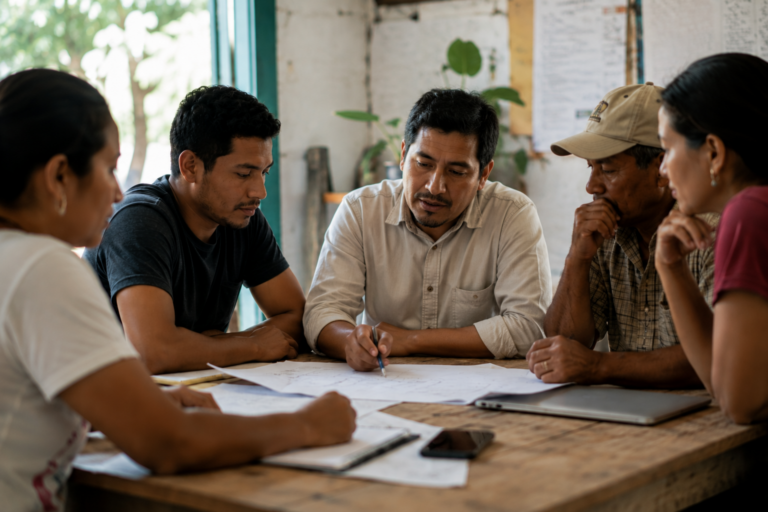
Three Key Demands to End Debt Injustice
AHF proposes three urgent reforms to relieve sovereign debt, protect human rights, and prioritize the development of the Global South.
News
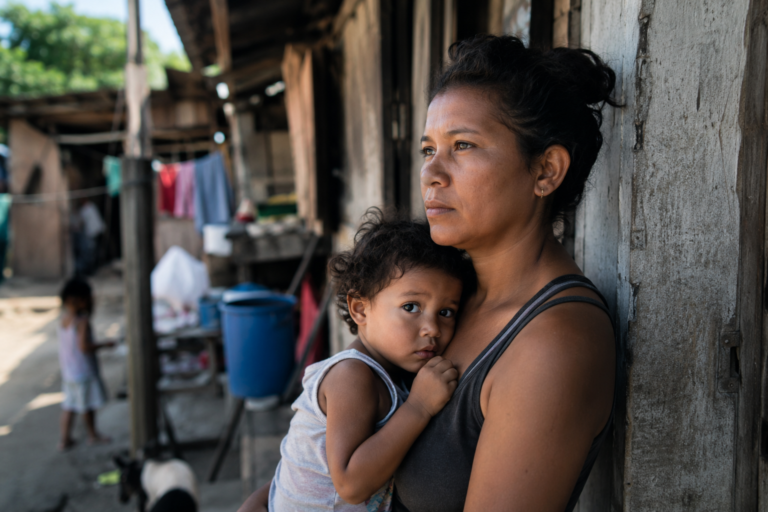
AHF launches global movement for equity for human development in the Global South.
AHF launches Break Free from Debt to demand reforms to the sovereign debt system and prioritize health, education, and human development.