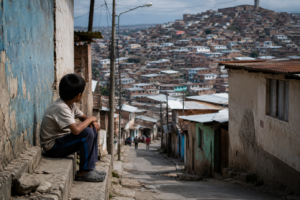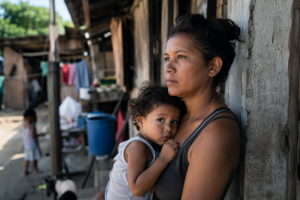

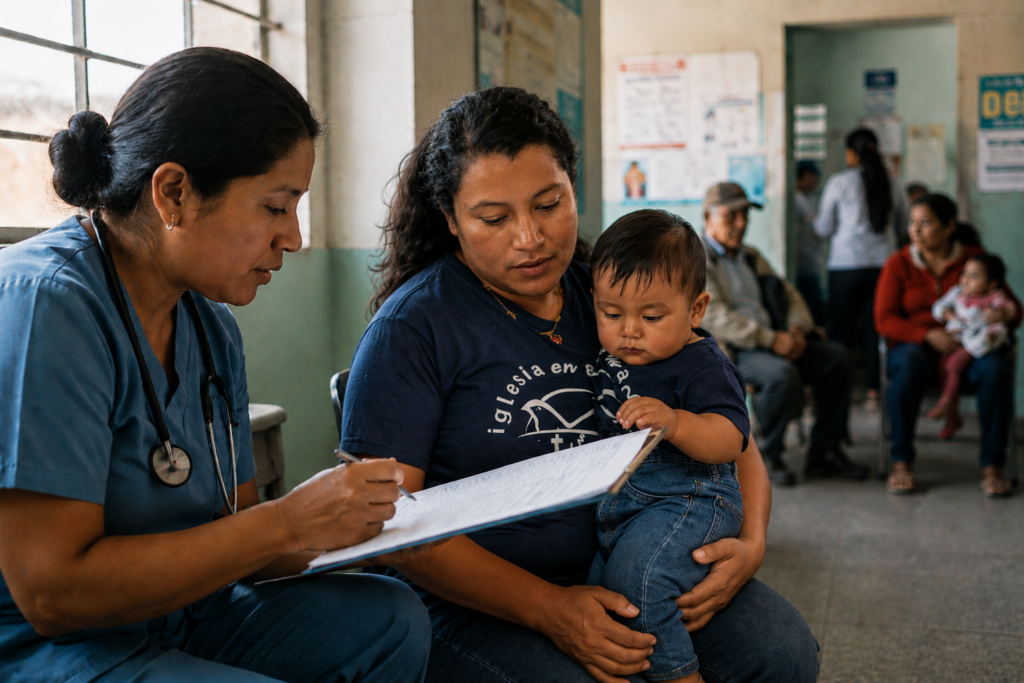
Debt injustice is not simply an economic or financial problem; it is, fundamentally, a human rights problem. Today, 3.4 billion people live in countries that spend more on debt than on health or education. This statistic reveals a brutal reality: governments are being forced to prioritize international creditors over the survival of their own citizens.
When unjust debt payments are placed above people, life-saving programs suffer devastating consequences. The response to the climate crisis, public education, and, critically, healthcare experiences severe cuts. This leaves billions of people without the medical and social resources needed to live with dignity, directly affecting countries’ capacity to combat disease, acquire essential medicines, and maintain functional hospital infrastructure.
Austerity Measures That Kill
To free up resources and pay their debts, governments are forced to cut national budgets for health, education, food security, housing, and more. This translates into lost lives, children without education, and families pushed deeper into poverty. It is always marginalized and vulnerable communities such as women, children, and people living in poverty who suffer the most as a result.
In 2022, Pakistan suffered devastating floods that affected 33 million people. The country would need at least $10 billion to repair the damage. However, fearing default on its debt payments, the country continued paying its debt, limiting its capacity to address the impact of the floods. In 2023, Pakistan allocated 46% of its government revenues to external debt servicing.
A Fundamental Human Right
Nations should not be forced to choose between keeping their populations alive and sustaining an unjust global debt system. It is unacceptable that in the midst of public health emergencies, countries must continue sending their scarce resources to foreign banks and bondholders. Debt thus becomes a determining factor in the quality and life expectancy of half the world’s population, making a change in global financial priorities imperative.
Health is not a luxury for wealthy countries. It is a fundamental human right that must be guaranteed for all, regardless of a nation’s level of sovereign debt. While Wall Street billionaires multiply their wealth, countries in the Global South are cutting schools and hospitals to pay debts to that very same financial system that enriches them.