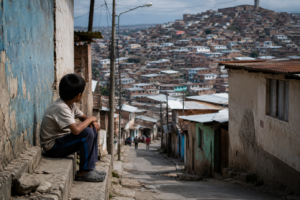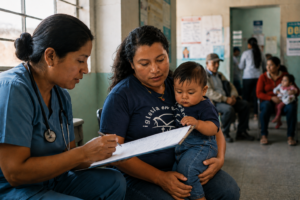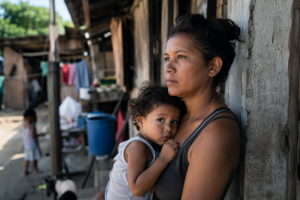

Menstruation is a natural part of life, yet for millions of girls, adolescents, women, and people who menstruate across Latin America and the Caribbean, managing a period remains an economic challenge. The cost of essential products and barriers to access continue to deepen inequalities affecting health, education, and dignity.
Every month, millions of people across Latin America and the Caribbean must spend part of their income on essential menstrual products. Pads, tampons, and menstrual cups remain inaccessible to many people—not only because of cost, but also because in many countries they are still taxed as if they were non-essential goods.
Although menstruation is a natural biological process, managing it continues to be a challenge for people facing economic hardship or social, educational, and infrastructure barriers.
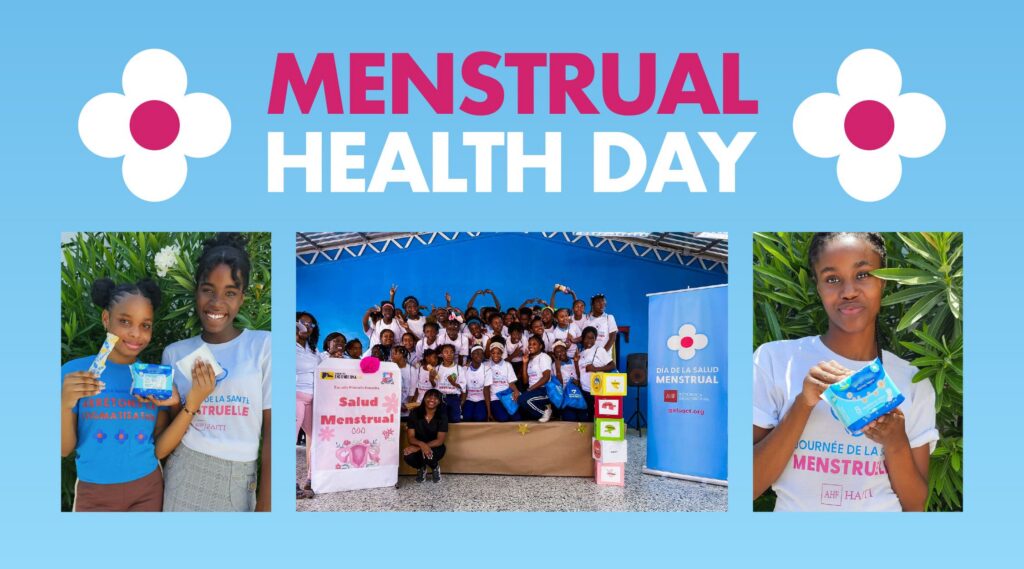
As part of Menstrual Health Day on May 28, AHF Latam & Caribbean continues to amplify a simple but urgent message: menstruation should never be a privilege determined by income.
What is period poverty?
Period poverty is not only about being unable to afford menstrual products.
It also includes lack of access to clean water, safe bathrooms, privacy, menstrual education, and reliable information to manage menstruation without stigma or shame.
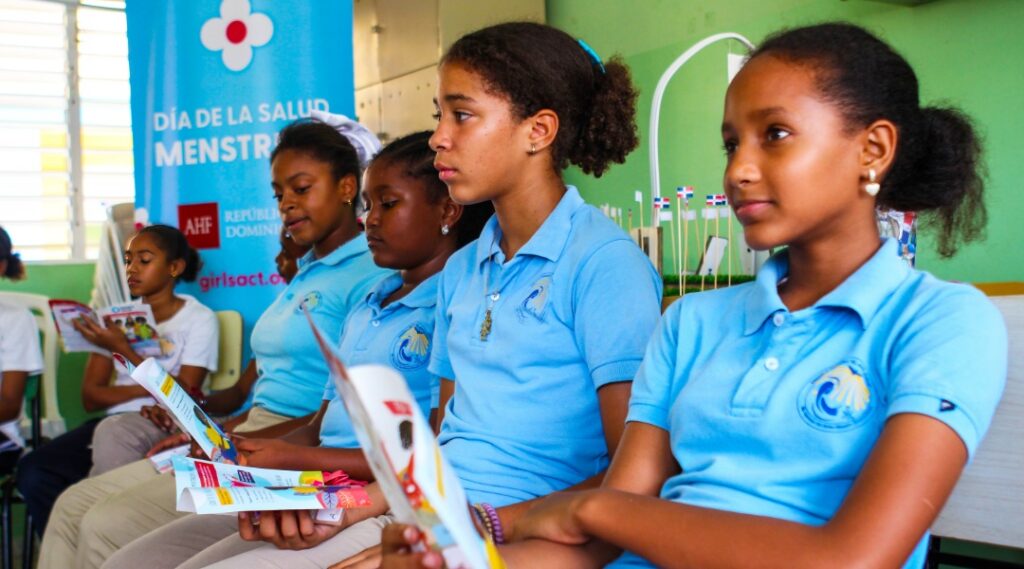
According to international organizations, nearly 500 million people worldwide experience some form of period poverty. In Latin America, studies estimate that up to 30% of girls and adolescents have missed school during their periods due to lack of menstrual products, safe water, or adequate facilities.
This disproportionately affects people living in poverty, migration contexts, homelessness, incarceration, and Indigenous communities.
Why does eliminating taxes on menstrual products matter?
Because menstruation is not optional.
When essential menstrual products carry high taxes, the economic burden falls directly on those who need them every month.
Across much of Latin America and the Caribbean, menstrual products are still taxed between 10% and more than 20%. In South America, the average tax burden exceeds 15%, while in several Caribbean countries it reaches up to 18%.
Some countries have already started moving forward.
In Colombia, taxes on menstrual products were eliminated in 2018 following a landmark Constitutional Court ruling, which determined that taxing essential menstrual products deepened inequality and disproportionately affected women and people who menstruate. In Mexico, a zero VAT rate on menstrual hygiene products has been in place since 2022, after lawmakers recognized that pads, tampons, and other menstrual products are not luxury goods but essential items for health, dignity, and equality. The reform represented an estimated 880 million Mexican pesos in annual tax revenue foregone to reduce the economic burden associated with menstruation and address period poverty.
In the Caribbean, Jamaica became one of the first countries in the Americas to remove the General Consumption Tax (GCT) on menstrual hygiene products in 2012, setting an important regional precedent for menstrual health access. However, advocacy efforts continue, as local organizations note that import duties and additional costs may still account for nearly 20% of the final retail price of some menstrual products, maintaining affordability barriers—especially for low-income women and girls. Advocacy groups have warned that the annual cost of menstrual hygiene products remains a significant financial burden for many Jamaican households and continue calling for the removal of remaining fiscal barriers.
Brazil, meanwhile, has followed a more gradual path toward reducing economic barriers related to menstruation. Although menstrual products have not yet been fully tax-exempt nationwide, several states—including Rio de Janeiro—have reduced taxes on menstrual hygiene products. More recently, Brazil’s federal tax reform framework categorized menstrual health products as essential goods eligible for significant tax reductions or possible exemptions. These developments reflect growing recognition that menstrual health should be treated as a public health and social justice issue, rather than a discretionary consumer expense.
Recent findings from Mexico’s Second National Menstrual Management Survey suggest that, following the elimination of VAT, the percentage of people reporting financial difficulties accessing menstrual products decreased from 30% to 21%. Experts caution, however, that eliminating taxes is only a first step: reducing period poverty also requires menstrual education, access to clean water and safe sanitation, affordable or free menstrual products, and comprehensive public policies that ensure people can manage menstruation with dignity, safety, and without stigma.
Menstrual health is also about dignity, health, and equality
Talking about menstruation should not be uncomfortable.
Menstrual health is directly linked to wellbeing, education, equality, and the ability to go through daily life without barriers.
No one should miss school, limit daily activities, or feel ashamed because they lack access to menstrual products or reliable information.
Since 2019, AHF Latam & Caribbean has distributed more than 1 million menstrual hygiene products across the region, including menstrual cups, hygiene kits, and educational materials. In 2025 alone, the organization’s activities directly reached hundreds of thousands of people in 12 countries.
This year, we will continue community activities, educational sessions, and menstrual product distribution efforts across the region to keep advancing one simple but urgent idea: menstruation should never be a luxury.