
More External Debt, Less Development.
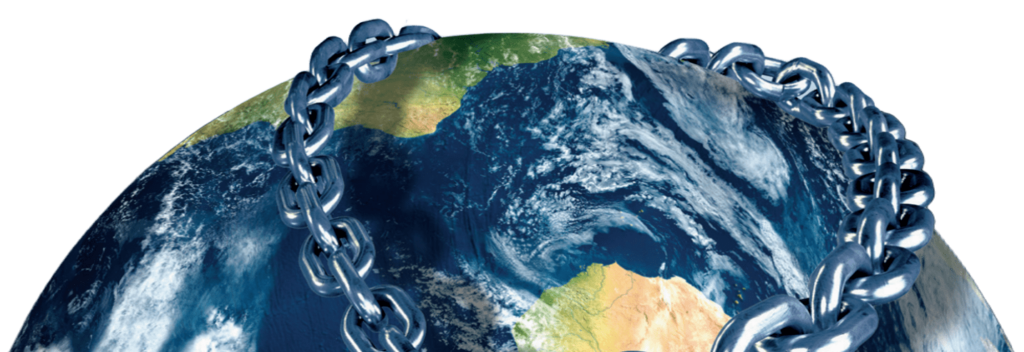
people live in countries that spend more on debt payments than on health or education
Interest rates that poor countries pay compared to wealthy nations
An Unjust System
Private lenders, investment funds, wealthy countries. In 2023, the richest 1% earned more than ever before. Where does that money come from? From the interest paid by poor countries. While the Global South sacrifices health and education, creditors multiply their profits.
HOW DOES THE TRAP WORK?
- A country takes out a loan for development
- Interest rates rise by up to 1000% “because there is a higher risk of default”
- Debt payments + interest exceed income
- Cuts to health, education, and public services
- Humanitarian crisis → need for more loans
- The trap closes. The cycle returns to step 1.
Campaign Articles
Sovereign Debt: A Tool of Oppression for the Developing World
Sovereign debt limits health, education, and development in the Global South, perpetuating inequality and financial dependence.
When Debt Costs Lives: The Impact on Global Health
Unjust debt forces countries in the Global South to cut health, education, and basic services, affecting the lives of millions.
Three Key Demands to End Debt Injustice
AHF proposes three urgent reforms to relieve sovereign debt, protect human rights, and prioritize the development of the Global South.
Three Urgent Actions
1
Debtors Forum
Create a unified space where Global South countries negotiate together. When they negotiate alone, creditors hold all the power. United, they can demand fair terms.
Proposed in Seville and endorsed by the G20 in 2025
2
Debt Pauses During Crises
3
Financial Equity: AI Solidarity
#FreedomFromDebt
Join the global movement for equity and human development in the Global South.